
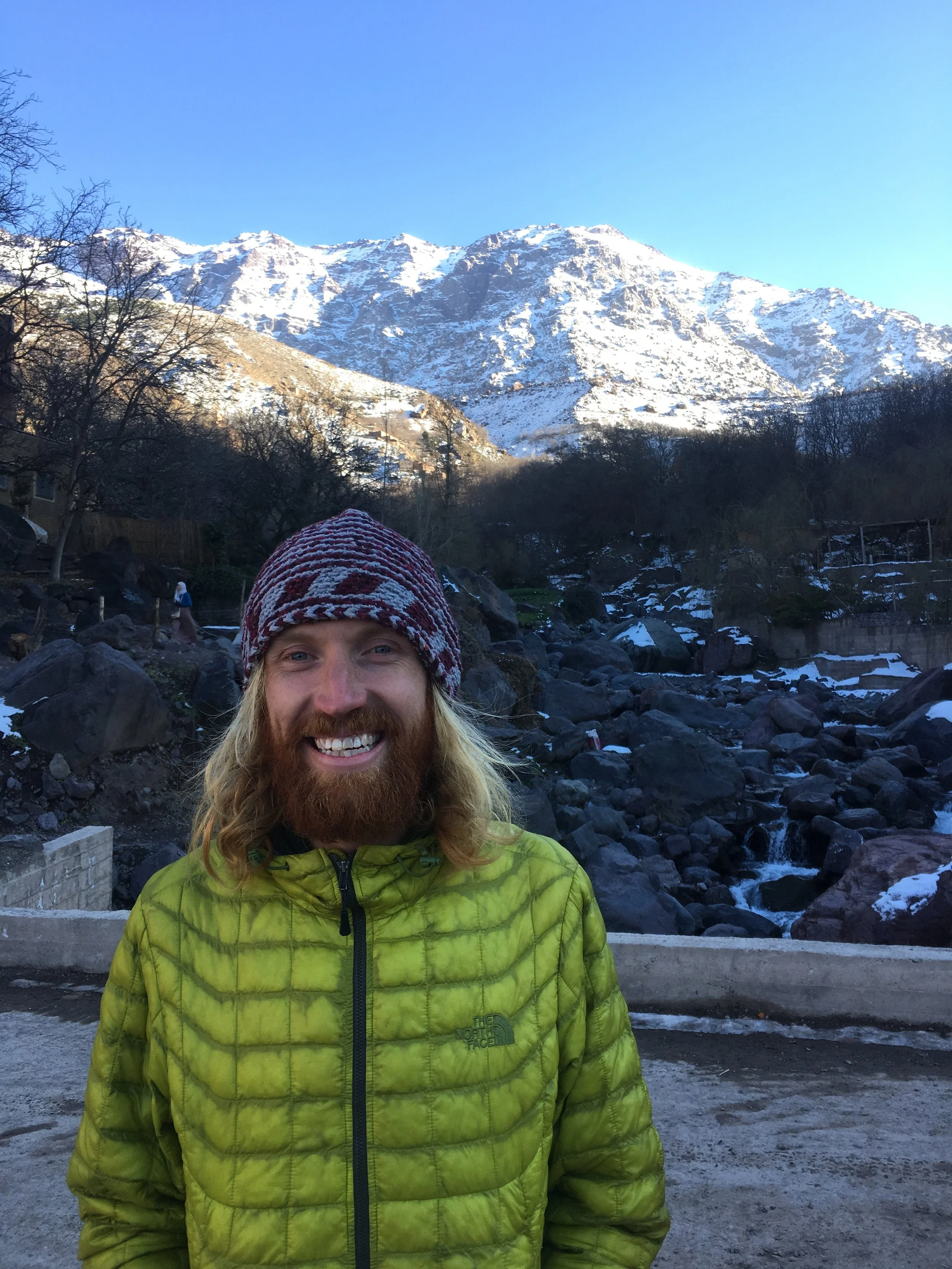
A lifetime in running. More than a decade in coaching.
ABOUT TOM
Running has been part of my life since I was nine years old.
What began at my local athletics club in Essex eventually took me around the world — from road races and marathons to 100km races, mountain ultras and representing England and Great Britain.
But the longer I've coached, the more I've realised that my own running experience is only part of what makes me a coach.
The most important part is learning to understand the athlete in front of me.
EXPERIENCE & COACHING
Experience on both sides of the coach–athlete relationship.
I've spent decades experiencing endurance sport as an athlete and more than ten years learning how to help other runners navigate their own path.
Those are different skills — and both have shaped the coach I am today.
01
Running since age 9
A lifelong involvement in athletics and endurance running.
02
England international
Represented England across distances from 10km to 100km.
03
Great Britain
Two Ultra Trail World Championships representing Great Britain.
04
Postgraduate Master's in Sports Performance Coaching and England Athletics registered coach.
200+ athletes coached
Running came first. Coaching changed how I understood it.
THE JOURNEY
I started running at around nine years old with my local club in Essex and, in one form or another, I've been running ever since.
Over the years that took me through track, road, cross-country, marathon, ultramarathon and mountain running — from local races to representing England and Great Britain internationally.
For a long time, much of what I knew about training came from being an athlete: experiencing different coaching approaches, making mistakes, improving, getting injured, recovering and learning what seemed to work.
Coaching other people changed that.
It made me question why things worked, why the same approach could produce very different responses in different athletes, and how training fits into the much bigger picture of someone's life.
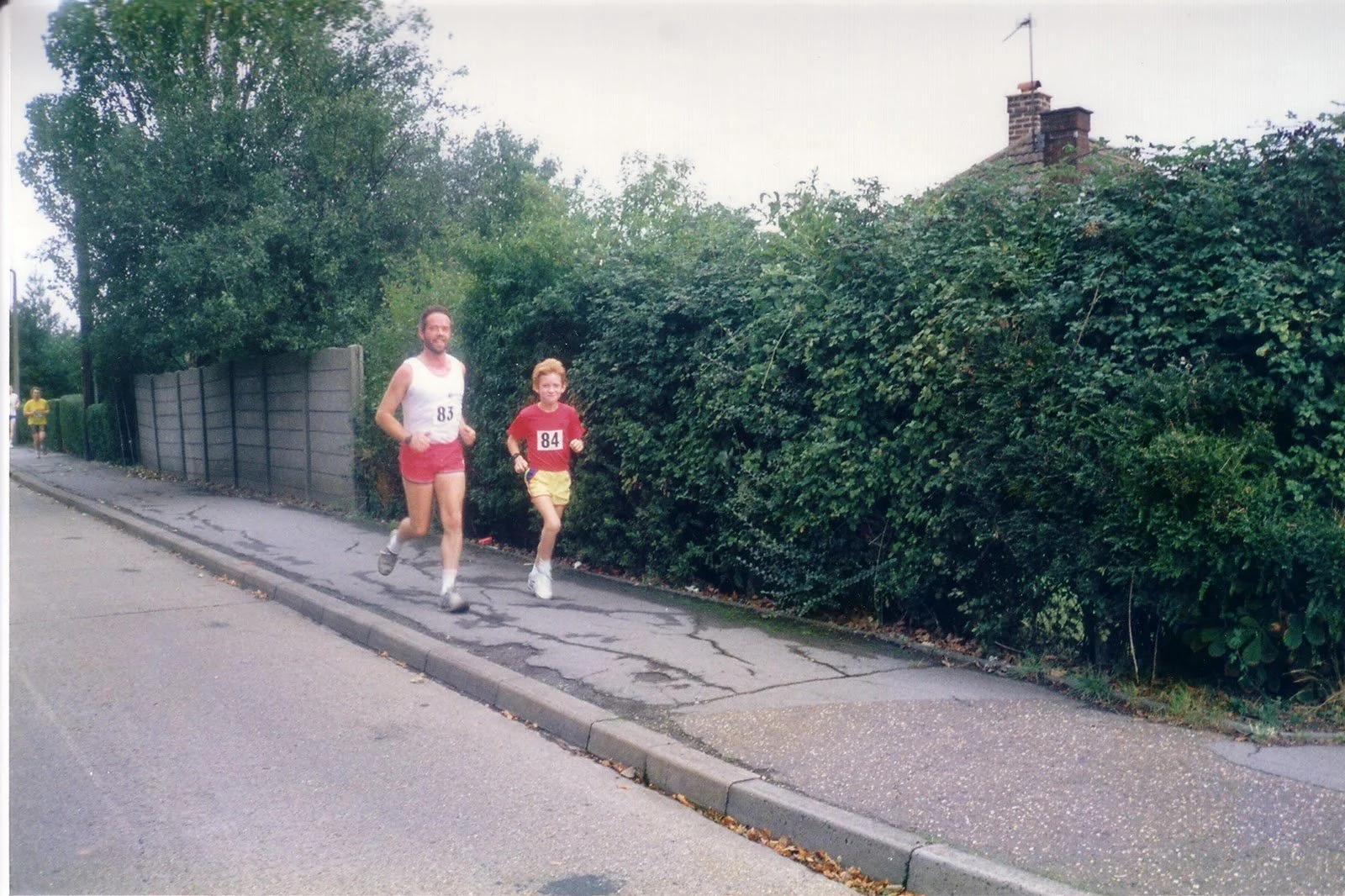
WHERE IT STARTED
Running became part of my life before I knew anything about training theory, physiology or performance.
At first it was simply something I loved doing. That enjoyment has remained important to me ever since — both as a runner and as a coach.
Running since I was nine.
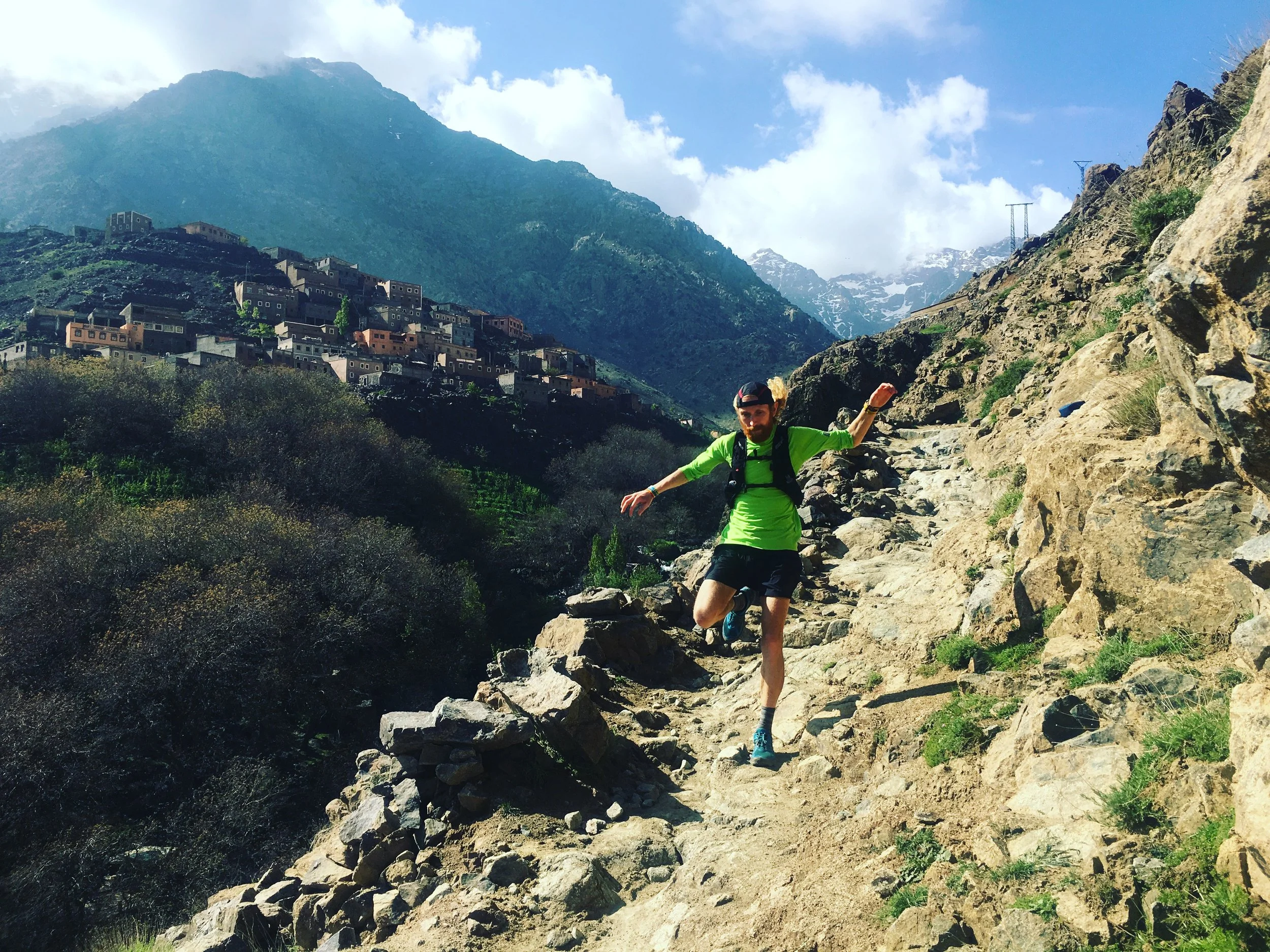
As my running developed, so did the distances and challenges.
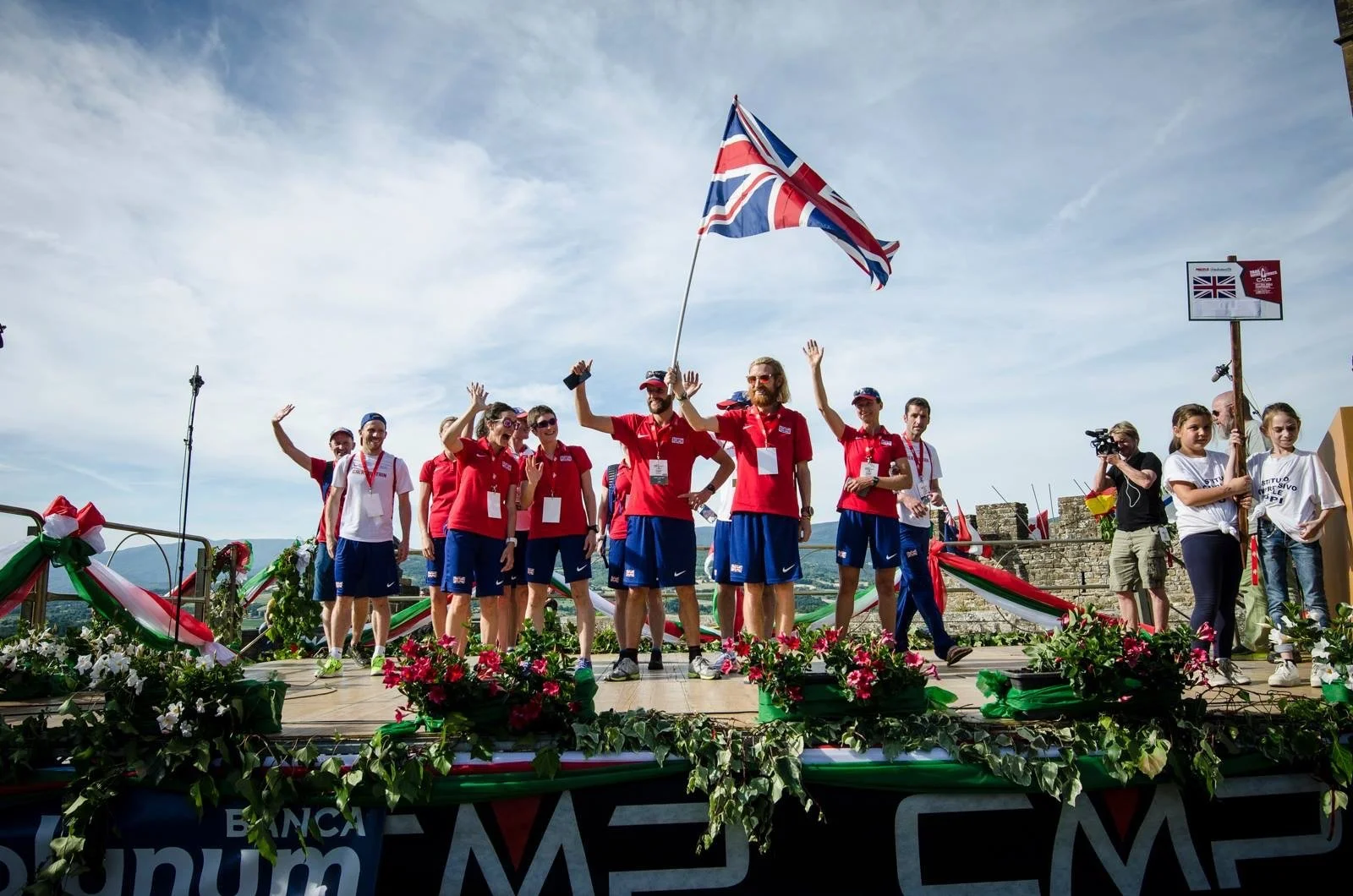
I went on to compete at a high level across road and ultra running, represent England from 10km to 100km and represent Great Britain at two Ultra Trail World Championships.
Those years gave me enormous experience of training, racing, preparation, setbacks and performance under pressure.
From local races to international competition.
THE ATHLETE
When I began coaching in 2015, my athletic experience gave me a useful starting point — but I quickly realised that being an experienced runner and being an effective coach are not the same thing.
I became increasingly interested in different training philosophies, physiology, communication and the complexity of helping individual athletes improve.
That eventually led me to postgraduate study in Sports Performance Coaching, which had a major influence on how I think about the coach–athlete relationship today.
Experience became curiosity. Curiosity became coaching.
THE COACH
MY COACHING PHILOSOPHY
The athlete comes before the training plan.
Running has brought a huge amount to my life, and I want the athletes I coach to enjoy the process of discovering what it can bring to theirs.
My job isn't to impose my own experience or a single training philosophy on somebody else. It's to help facilitate, teach and motivate each athlete towards their own potential.
That means understanding the person as well as the runner — their goals, health, work, family, stress, motivation, experience and everything else that influences how training fits into their life.
01
Training begins with the individual rather than with a predetermined programme or philosophy.
Athlete-centred
02
Running is only one part of life. Recovery, health, work, family and wider stress all influence how training should be approached.
Holistic
03
Good coaching isn't a one-way street. Communication and honest feedback allow both athlete and coach to learn and make better decisions.
Collaborative
04
Performance matters, but never at the expense of an athlete's long-term health and wellbeing.
Health first
Better coaching comes from understanding the athlete, not simply prescribing more training.
COACHING DEVELOPMENT
Experience gave me questions. Education changed how I answered them.
When I first began coaching, much of my understanding came from years of being coached myself and working with experienced coaches around the world.
That gave me valuable practical experience, but I wanted to understand more deeply why different approaches worked, how athletes learn and how the coach–athlete relationship influences performance and development.
Completing a postgraduate Master's in Sports Performance Coaching was transformative for my coaching practice. It moved me further away from looking for one “best” training method and towards thinking more critically about the individual athlete, the evidence and the context around every decision.
01 — Formal development
MSc Sports Performance Coaching
Postgraduate study focused on the complexity of coaching, athlete development and the coach–athlete relationship.
02 — Professional coaching
England Athletics registered coach
Coaching within an ethical framework in which athlete health, wellbeing and appropriate professional boundaries come first.
03 — Evidence-informed practice
I use peer-reviewed research alongside athlete feedback, training data, coaching experience and individual context to help inform decisions rather than relying on trends or a single training philosophy.
Evidence is part of the process
Performance matters. So does who you become along the way.
BEYOND THE RESULTS
I love helping athletes run faster, go further and achieve things they once weren't sure were possible.
But a PB or a finish line is only part of what successful coaching can look like.
I also want athletes to understand themselves better, become more confident in the decisions they make and develop a relationship with running that can last well beyond a single race.
01
Train with purpose towards goals that are meaningful to you, whether that's becoming fitter and stronger, running a personal best or completing an ambitious ultra.
Perform
02
Learn more about your own training, your responses and the reasons behind the decisions we're making together.
Understand
03
Keep the enjoyment and meaning in running while building the consistency and resilience needed for long-term development.
Enjoy
The goal is not simply a better result. It's helping you become a better-equipped runner.
Looking for a coach who gets to know the runner behind the training?
WORK WITH ME
My one-to-one coaching is currently full. If you’d like coaching built around your goals, your life and how you respond to training, join the waiting list.
Tell me a little about your running and when you’d ideally like to start. I’ll be in touch when a suitable place becomes available so we can discuss working together.
● One-to-one coaching is currently full · Waiting list open
Free to join · No commitment · No guaranteed start date